Jun. 08, 2026
Choosing between a built-in induction cooktop and a ceramic cooktop can be confusing. Both have unique features and benefits. Understanding their differences can help you make the right choice for your kitchen. Built-in induction cooktops use electromagnetic energy for heating, while ceramic cooktops provide a traditional cooking experience with radiant heat. Consumers often worry about efficiency, safety, and ease of cleaning. This article will clarify these cooking technologies and help you decide which one suits your needs best.
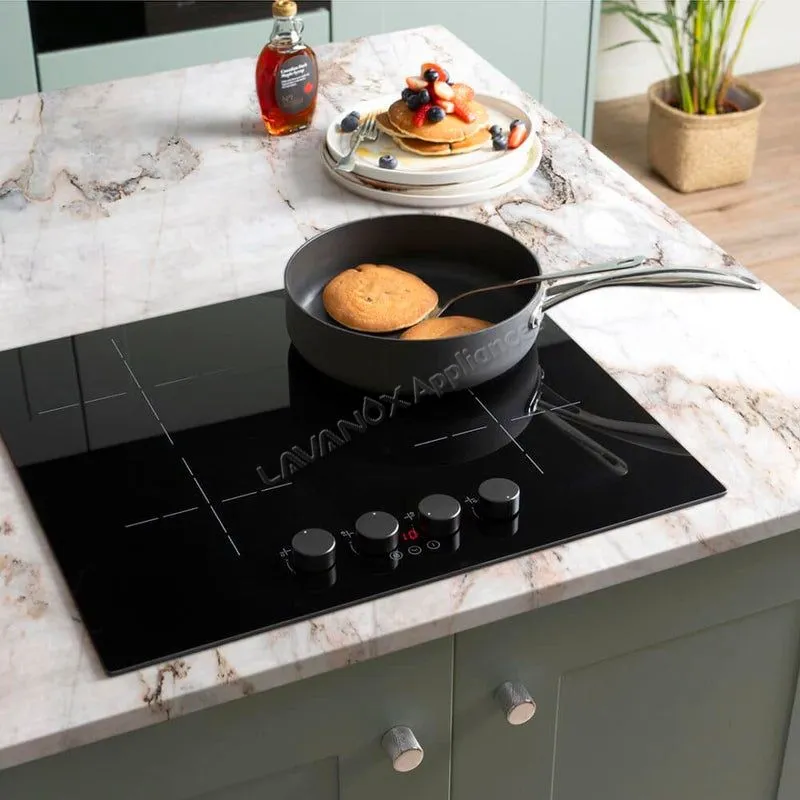 Built In Induction Cooktop">
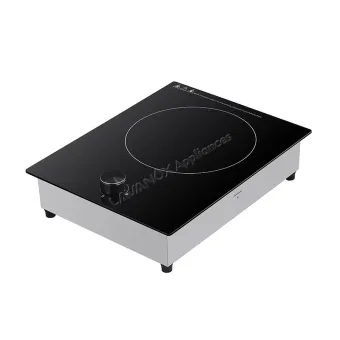
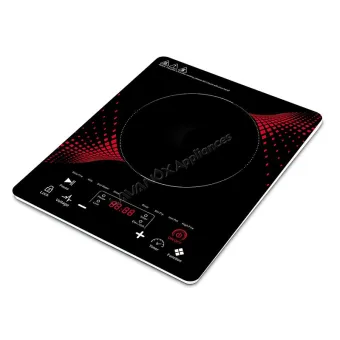
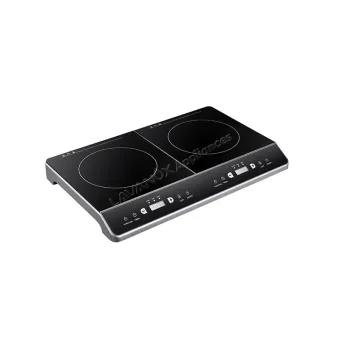
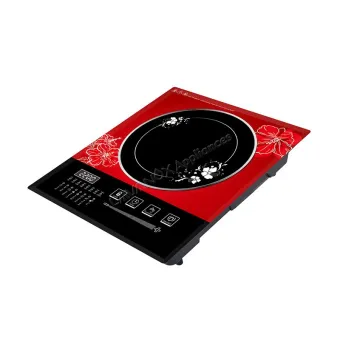
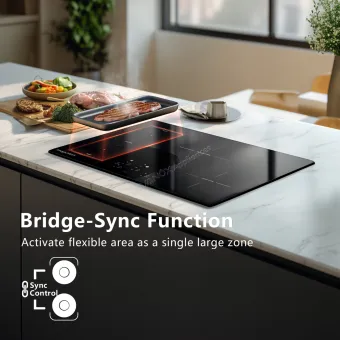
The main difference between a built-in induction cooktop and a ceramic cooktop is the way they generate heat. Induction cooktops heat pots directly using electromagnetic energy, while ceramic cooktops use radiant heat that requires time to warm up. Induction cooktops are usually more energy-efficient and safer for homes with children.
Induction cooktops create heat directly in metal pots and pans. They only work with cookware that has magnetic properties. This leads to fast cooking times, making them very efficient.
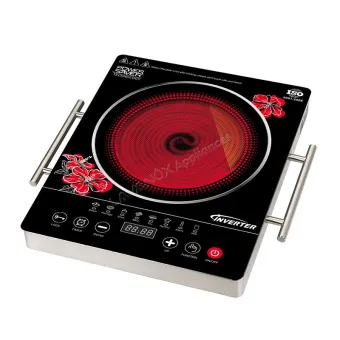
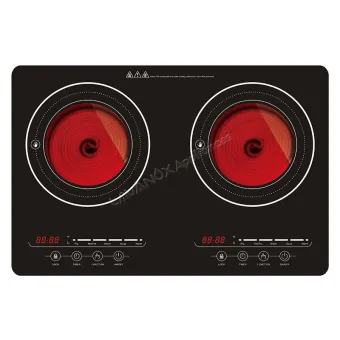
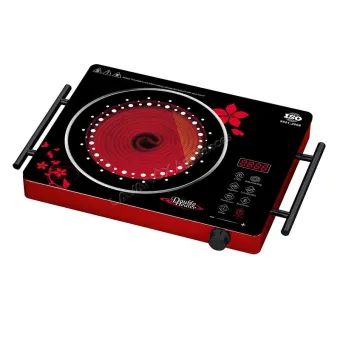
Ceramic cooktops have a smooth surface that heats up through electric coils underneath. They take longer to reach the desired temperature compared to induction cooktops. Once hot, they will retain heat longer, which is beneficial for some dishes.
Induction cooktops can boil water nearly twice as fast as ceramic cooktops. In fact, they increase cooking speed by up to 50%, allowing for quicker meal preparation.
With ceramic cooktops, the response time is slower due to the radiant heating process. Users may need to wait longer for pans to heat up or cool down. This can affect cooking accuracy.
Induction cooktops are more energy-efficient, using about 90% of heat produced for cooking. This can lead to lower energy bills over time, making them a better choice for environmentally conscious consumers.
Ceramic cooktops typically use about 70% of the heat they generate for cooking. The remaining heat disperses into the environment, making them less efficient overall.
With induction cooktops, the surface doesn't get as hot as a ceramic cooktop. This reduces the risk of burns. They also often come with automatic shut-off features for added safety.
Ceramic cooktops maintain high heat long after turning off. This poses a higher risk of burns, especially in homes with children or pets.
The smooth surface of induction cooktops means most spills can be wiped away quickly. Since the surface doesn’t become as hot, burned-on messes are rare.
Ceramic cooktops can be harder to clean due to their high temperature. Food can easily become stuck. Regular cleaning is necessary to maintain their appearance and functionality.
In conclusion, both built-in induction cooktops and ceramic cooktops have their advantages. If you value speed, efficiency, and safety, an induction cooktop is likely the best choice for you. However, if you prefer a traditional cooking method with reliable performance, a ceramic cooktop might work better for your cooking style. Understanding the built-in induction cooktop vs ceramic cooktop differences helps you make an informed decision that fits your lifestyle.
A: Built-in induction cooktops use electromagnetic energy to heat pots directly, offering faster cooking times and higher energy efficiency. Ceramic cooktops use radiant heat, taking longer to warm up but retaining heat longer, which can be beneficial for certain dishes.
A: Induction cooktops are more energy-efficient, utilizing about 90% of the heat produced for cooking, compared to ceramic cooktops, which use approximately 70%.
A: Induction cooktops are generally safer, as their surfaces remain cooler, reducing burn risks, and they often include automatic shut-off features. Ceramic cooktops maintain high heat even after being turned off, posing a higher burn risk.
A: Induction cooktops are easier to clean due to their smooth surfaces and lower residual heat. Ceramic cooktops require more care, as their high temperatures can cause food to become stuck, necessitating regular cleaning to maintain appearance and functionality.
A: Induction cooktops are better suited for quick meal preparation, as they can boil water nearly twice as fast as ceramic cooktops, increasing cooking speed by up to 50%.
Related News
How do I install a built-in induction cooktop?
Mar. 18, 2026

Do induction cooktops have safety features?
Apr. 22, 2026

What are the advantages of using induction cooktops?
Nov. 14, 2025
Do induction cooktops produce heat in the kitchen?
Oct. 22, 2025

How does a countertop induction cooktop work?
Apr. 02, 2026
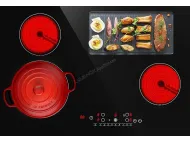
Best Built In Induction Cooktops for Modern Kitchens
May. 20, 2026
Can I use induction cooktops outdoors?
Oct. 21, 2025
Related Products
Request a Quote
Request a Quote
Navigation
Navigation
Products
Products
Contact Us
Contact Us
E-mail: aml@kastbuild.cn
Mobile: +86 178 4699 3583
Tel.: +86 178 4699 3583
WhatsApp: +8617846993583
Add.: 4th Floor, Building A, No. 50 Feiyue Road, Nantou Town, Zhongshan City, Guangdong Province.