How Does a Built-In Induction Cooktop Work?
Many users find themselves frustrated with traditional cooking methods that can be slow, imprecise, and hazardous. Enter the Built In Hob Induction cooktop—a modern appliance that promises speed and safety. Users often seek a solution to burn-free cooking while retaining energy efficiency during meal preparation. For instance, a busy parent juggling dinner while helping kids with homework wants a cooking solution that cuts down on time in the kitchen. Built-in induction cooktops, like those from Lavanox, offer precise temperature control, faster cooking times (up to 50% quicker than gas stoves), and greater safety features, making mealtime simpler than ever.
Required Preparation for Using the Built-In Induction Cooktop
Before diving into the world of induction cooking, there are a few essential preparations you need to make:
- Purchase compatible cookware: Your pots and pans must be magnetic. The bottom should ideally contain ferrous materials. Test with a magnet; if it sticks, you’re good to go!
- Ensure electrical requirements: Check if your kitchen has a dedicated circuit that can handle 240V, as most induction cooktops require this power level.
- Clear the installation area: Make sure the installation surface is flat and clean, free of any obstructions.
Step-by-Step Guidance for Operating a Built-In Induction Cooktop
Once you have everything in place, follow these clear steps to get started:
- Install the Cooktop: Carefully place the cooktop into the designated countertop opening, ensuring it is leveled.
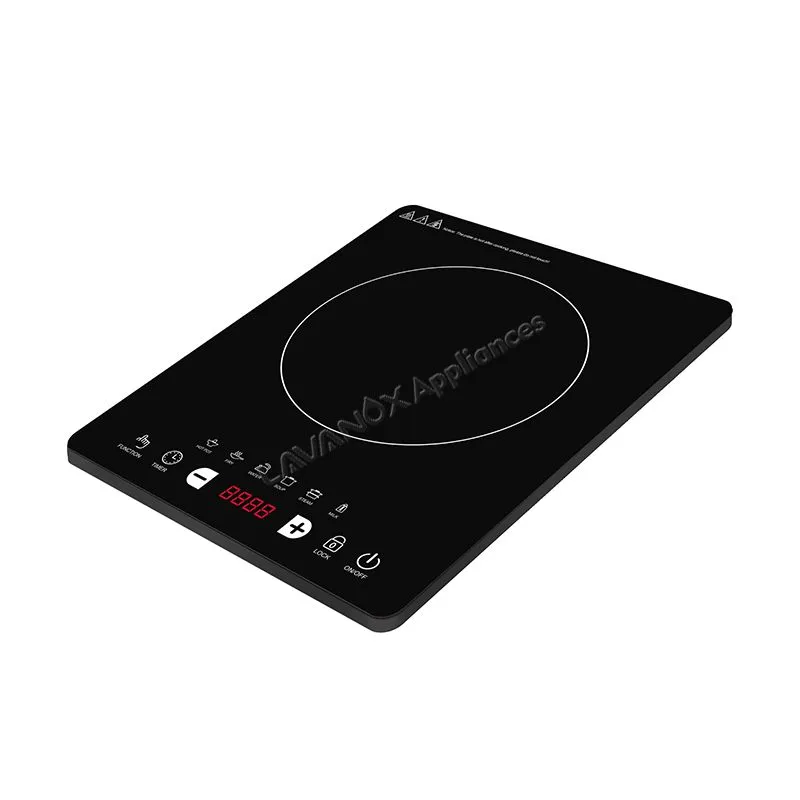
- Connect the Power: Follow the manufacturer's manual to connect the unit to the electrical circuit properly.
- Turn on the Cooktop: Press the power button to activate your built-in induction cooktop. A beep usually indicates it’s powered on.
- Select Cooking Mode: Choose from various cooking modes such as sautéing, simmering, or boiling. These presets optimize energy usage, ensuring precise temperature control.
- Adjust the Temperature: Use the +/- interface to adjust the heat. A significant advantage of induction cooking is that it heats up pots in 3-5 minutes, making it faster than traditional electric methods.
- Monitor while Cooking: Keep an eye on your food as induction cooktops maintain a quick heat response; lowering the temperature can occur within seconds.
Common Errors and Solutions when Using Built-In Induction Cooktops
Even though induction cooktops are user-friendly, here are a few common pitfalls:
- Issue: Cookware isn't recognized.
- Solution: Double-check that your pots are magnetic. Consider investing in induction-compatible cookware if necessary.
- Issue: Induction cooktop not heating.
- Solution: Inspect the power connection and ensure the unit is correctly plugged in.
- Issue: Surface gets too hot.
- Solution: Check if the heating has been accidentally set too high, or lids may cause finger collisions, leading to improper usage.
Summary and Suggestions
Built-in induction cooktops, like those from Lavanox, revolutionize meal preparation by providing an efficient, safe, and rapid cooking experience. By following the installation guidelines and cooking steps, users can significantly reduce their kitchen time and enjoy consistently delicious meals. For optimal results, remember to use compatible cookware and keep your cooktop clean for maximum performance.
FAQs about Built-In Induction Cooktops
- Q: Can I use my existing cookware on induction cooktops?
A: Only if it contains magnetic materials. Otherwise, you'll require specially designed cookware.
- Q: How much electricity do induction cooktops consume?
A: Induction cooktops can reduce cooking energy costs by approximately 30% compared to traditional electric stoves.
- Q: Are built-in induction cooktops hard to clean?
A: No, the smooth surface allows easy clean-up, and spills do not burn onto the cooktop like with gas or traditional electric stoves.