Sep. 04, 2026
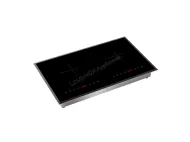
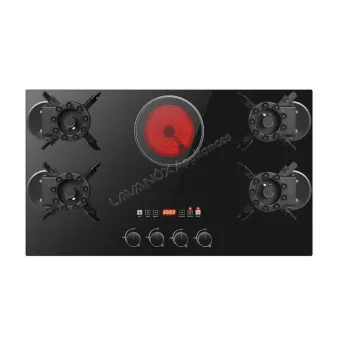
The use of Electric And Gas Hob Combined appliances offers balanced cooking flexibility. However, effective ventilation is crucial for optimizing performance and ensuring safety. Understanding the ventilation requirements can greatly reduce issues such as smoke, odors, and harmful emissions. In this article, we will explore the necessary guidelines to ensure a safer cooking environment.
Efficient ventilation is necessary for:
There are two main types of ventilation systems:
Each installation has specific ventilation requirements to adhere to:
| Appliance Type | Minimum Ventilation Rate |
|---|---|
| Gas Hobs | Minimum 60 CFM |
| Electric Hobs | Minimum 30 CFM |
| Combined Hobs | Minimum 90 CFM |
When setting up your electric and gas hob, remember the following:
Always ensure compliance with local building codes regarding ventilation to ensure safety and legality.
Install carbon monoxide detectors near the kitchen to alert if harmful gas levels become dangerous.
Choosing energy-efficient ventilation can help reduce operational costs while maintaining appliance efficiency.
Smart ventilation systems automatically adjust airflow based on factors such as humidity and gas types used in hobs.
Common signs include:
In case of issues, try:
Evaluate the kitchen layout and determine the best method for ventilation.
Buy the right exhaust hoods and fans based on your hob type.
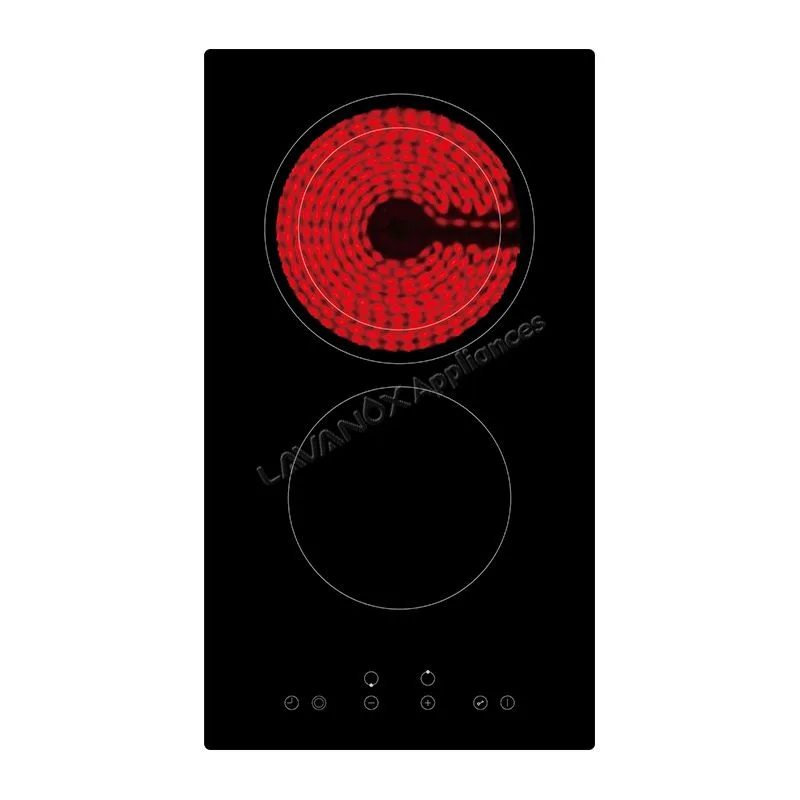 Lavanox Electric and Gas Hob" />
Follow the manufacturer’s guidelines to ensure proper installation.
After installation, test the ventilation system to ensure it operates correctly.
Correct ventilation for electric and gas hobs is essential for safety, efficiency, and comfort. Following the guidelines outlined above will allow you to create a functional kitchen space. Take the time to invest in a proper ventilation system for your combined hob setup, and consult with professionals if necessary. With the right configuration, you'll enjoy a seamless cooking experience every time.
A: For combined hobs, a minimum ventilation rate of 90 CFM is recommended to ensure optimal performance and safety.
A: Choose a ventilation system that matches your hob type, ensuring it covers the entire cooking surface and complies with local building codes.
A: Install hoods at least 24 inches above gas hobs, ensure ventilation ductwork is at least 6 inches in diameter, and use a hood that covers the entire cooking surface.
A: Opt for energy-efficient ventilation systems and consider smart ventilation systems that adjust airflow based on factors like humidity and gas types used in hobs.
A: Lingering smoke and odors, as well as excessive heat in the kitchen, are common indicators of inadequate ventilation.
Related News
How to Choose the Best Electric Ceramic Cooktop
Jul. 28, 2026
What are the advantages of electric ceramic cooktops?
Apr. 17, 2026
How to Install an Electric Ceramic Cooktop
Aug. 04, 2026
Related Products
Request a Quote
Request a Quote
Navigation
Navigation
Products
Products
Contact Us
Contact Us
E-mail: aml@kastbuild.cn
Mobile: +86 178 4699 3583
Tel.: +86 178 4699 3583
WhatsApp: +8617846993583
Add.: 4th Floor, Building A, No. 50 Feiyue Road, Nantou Town, Zhongshan City, Guangdong Province.