Aug. 14, 2026
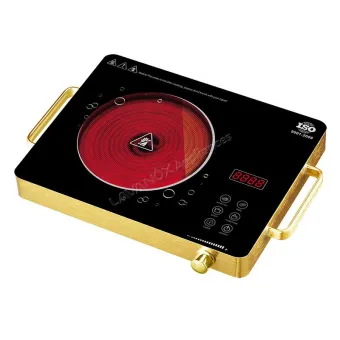
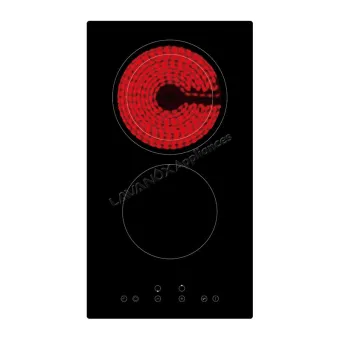
When choosing between Electric Ceramic Cooktops and gas cooktops, many users face critical decisions based on efficiency, safety, performance, and cost-effectiveness. This article will provide a comprehensive comparison to help you make an informed choice for your cooking needs.
Electric ceramic cooktops offer consistent heating and temperature control, while gas cooktops provide instant heat and visual feedback for heating adjustments.
Electric ceramic cooktops are generally more energy-efficient, converting about 80% of electrical energy into heat.
Gas cooktops allow for immediate temperature changes and typically heat up faster than electric versions. This is particularly useful for recipes requiring high heat.
Understanding the upfront and long-term costs associated with each type of cooktop is crucial. Electric ceramic cooktops may have a higher initial cost, while gas cooktops usually have lower installation costs.
Electric ceramic cooktops range from $300 to $800, while gas cooktops can vary from $200 to $700, depending on the brand and features.
Gas is typically cheaper than electricity in terms of operational costs, which can lead to savings on energy bills over time.
Safety is paramount when selecting a cooktop. Electric cooktops are generally safer because they do not produce an open flame. However, gas cooktops can also be safe with proper installation.
Electric ceramic cooktops have a flat surface that minimizes the risk of spills catching fire, and they cool down slower, reducing burn hazards.
Gas cooktops require proper ventilation and regular maintenance to ensure safety, especially concerning gas leaks.
Cleaning and maintaining each type of cooktop involves different levels of effort. Electric ceramic cooktops generally feature smooth surfaces that are easier to clean, while gas cooktops may require more effort to maintain.
A smooth surface allows for easy wiping with a cloth or sponge, making cleanup quick.
Gas cooktops have grates and burner parts that need regular cleaning but also offer the flexibility to easily replace individual components.
If you are an avid cook or chef, understanding how each cooktop affects your cooking style is paramount.
Electric ceramic cooktops provide even heating, making them ideal for slow cooking and simmering.
Gas cooktops allow for high temperatures and are excellent for browning meats or stir-frying vegetables quickly.
| Aspect | Electric Ceramic Cooktops | Gas Cooktops |
|---|---|---|
| Efficiency | 80% energy conversion | Varies, generally lower efficiency |
| Initial Cost | $300 - $800 | $200 - $700 |
| Safety | No open flame | Requires ventilation |
| Maintenance | Easy to clean | Requires more effort |
| Cooking Style | Even heating | Responsive heat control |
Understanding customer preferences can also guide your decision. Recent trends show increasing interest in electric appliances for their convenience and safety.
Many consumers now prefer electric cooktops for their sleek design and safety features.
Despite the shift, gas cooktops maintain a loyal customer base due to their performance and traditional cooking advantages.
Both electric ceramic cooktops and gas cooktops have their advantages and disadvantages. The best choice depends on individual cooking styles, safety considerations, and budget.
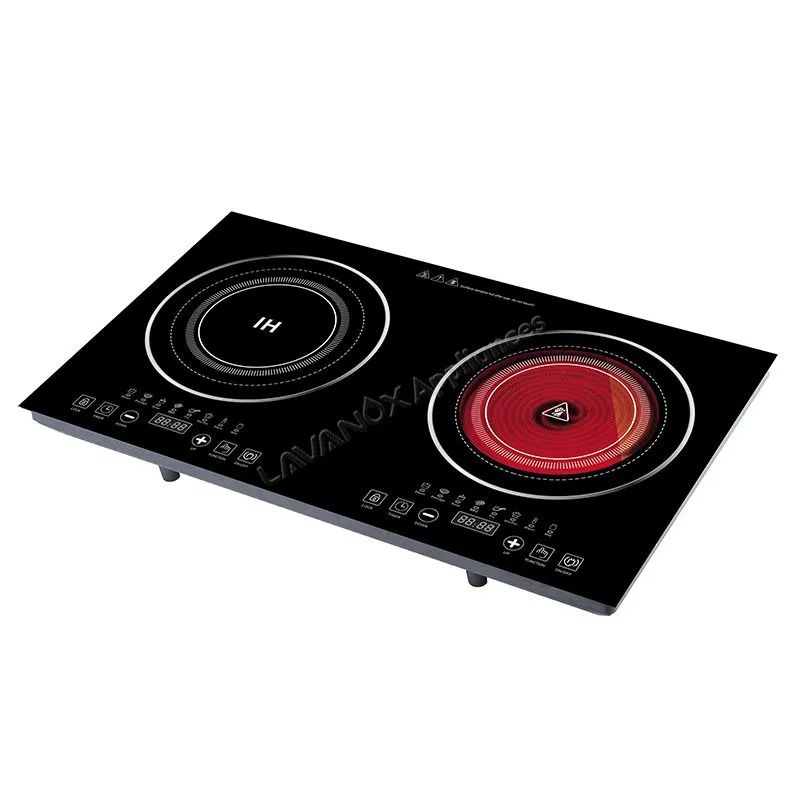
Explore more options with Lavanox to find a cooktop that suits your needs.
Electric ceramic cooktops generally use energy more efficiently than gas cooktops.
Yes, electric cooktops do not produce an open flame, making them safer in many household situations.
Gas cooktops are superior for high-heat applications, offering instant heat adjustments.
Gas cooktops usually incur lower operational costs in many regions due to cheaper gas prices.
Electric cooktops can be more environmentally friendly if powered by renewable energy sources.
A: Electric ceramic cooktops offer consistent heating and energy efficiency, converting about 80% of electrical energy into heat. Gas cooktops provide instant heat and visual feedback, allowing for immediate temperature adjustments, which is beneficial for high-heat cooking. Both have their advantages, and the choice depends on individual cooking preferences and needs.
A: Electric ceramic cooktops typically have an initial cost ranging from $300 to $800, while gas cooktops range from $200 to $700. Operational costs vary based on local energy prices; gas is generally cheaper than electricity, potentially leading to savings on energy bills over time.
A: Electric ceramic cooktops are generally safer as they do not produce an open flame, reducing the risk of fire hazards. However, gas cooktops can also be safe with proper installation and maintenance, including adequate ventilation to prevent gas leaks.
A: Electric ceramic cooktops feature smooth surfaces that are easy to clean with a cloth or sponge. Gas cooktops have grates and burner parts that require regular cleaning but offer the flexibility to replace individual components as needed.
A: Electric ceramic cooktops provide even heating, making them ideal for slow cooking and simmering. Gas cooktops allow for high temperatures and responsive heat control, which is excellent for browning meats or stir-frying vegetables quickly.
Related News

Why Built In Induction Cooktops Are Popular in Europe
Jun. 05, 2026
Can induction cooktops be used in restaurants?
Oct. 13, 2025

What is an electric ceramic cooktop?
Apr. 15, 2026
Best Electric Ceramic Cooktops for Modern Kitchens
Jul. 29, 2026
What are the disadvantages of electric ceramic cooktops?
Mar. 09, 2026

Best Built In Induction Cooktops for Interior Designers
Jul. 08, 2026

Electric Ceramic Cooktop Maintenance Tips
Aug. 10, 2026
Related Products
Request a Quote
Request a Quote
Navigation
Navigation
Products
Products
Contact Us
Contact Us
E-mail: aml@kastbuild.cn
Mobile: +86 178 4699 3583
Tel.: +86 178 4699 3583
WhatsApp: +8617846993583
Add.: 4th Floor, Building A, No. 50 Feiyue Road, Nantou Town, Zhongshan City, Guangdong Province.