Jul. 24, 2026
Choosing between an electric ceramic cooktop and an induction cooktop can be challenging for consumers. Each has distinct benefits and drawbacks that cater to various cooking styles and preferences. Understanding the differences can help you make an informed decision. In this article, we will explore the features, performance, and efficiency of both cooktops to determine which one is the best for your kitchen needs.
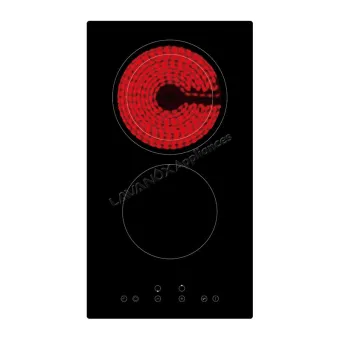
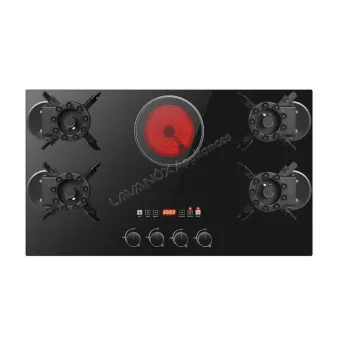
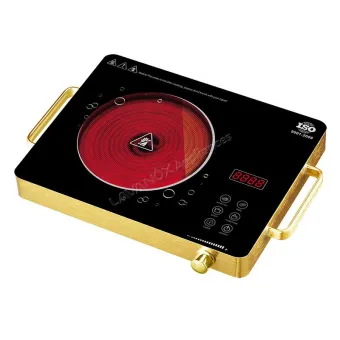
Electric ceramic cooktops use a heating element beneath a smooth glass surface. This type of cooktop provides consistent heat, making it a popular choice for many households.
- Affordable initial cost. Average price range: $200 - $600. - Easy to clean due to flat glass surface. - Compatible with all types of cookware.
- Slower heating and cooling compared to induction. - Glass surface can be easily scratched if not cared for. - Energy inefficient as heat is lost during cooking.
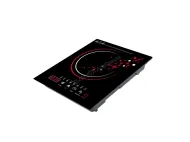
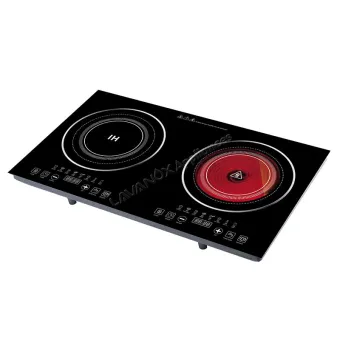
Induction cooktops use electromagnetic energy to directly heat pots and pans, providing precise temperature control and quick cooking times.
- Fast heating and cooling times, promoting energy efficiency. - Safe to use as the surface remains cool to the touch. - Easy to clean as spills do not burn onto the surface.
- Higher initial cost. Average price range: $750 - $2,500. - Limited compatibility with some cookware materials. - Requires electrical upgrades in some homes for optimal performance.
| Feature | Electric Ceramic Cooktop | Induction Cooktop |
|---|---|---|
| Cost | $200 - $600 | $750 - $2,500 |
| Heating Time | Slow | Fast |
| Energy Efficiency | Less efficient | Highly efficient |
| Surface Temperature | Hot while cooking | Cool while cooking |
| Cookware Compatibility | All types | Magnetic materials only |
Individuals or families on a tight budget who prioritize compatibility with various cookware types and prefer a more traditional cooking method may find electric ceramic cooktops ideal.
For frequent cooks, safety-conscious individuals, or those who want quicker meal preparation times, induction cooktops are a great option despite their higher price point.
Both electric ceramic and induction cooktops have unique advantages and disadvantages. Ultimately, the best choice depends on your cooking habits, budget, and preference for energy efficiency. If you value quick cooking times and safety, an induction cooktop may be the right fit. However, if you prefer a lower upfront cost and broad cookware compatibility, then an electric ceramic cooktop is worth considering. Remember to assess your kitchen needs and cooking style before making your decision.
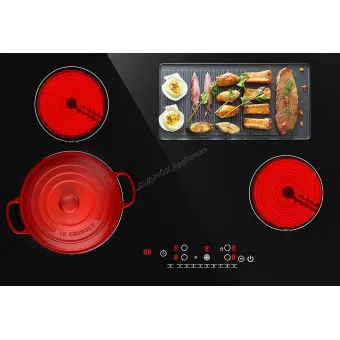
Visualize your cooking experience with our Electric Ceramic Cooktops at Lavanox, where quality meets reliability!
A: Electric ceramic cooktops use a heating element beneath a smooth glass surface, providing consistent heat and compatibility with all cookware types. However, they have slower heating times and are less energy-efficient. Induction cooktops utilize electromagnetic energy to directly heat pots and pans, offering fast heating, precise temperature control, and high energy efficiency. They require compatible cookware made of magnetic materials and have a higher initial cost.
A: Induction cooktops are more energy-efficient than electric ceramic cooktops. They heat cookware directly through electromagnetic energy, resulting in less heat loss and faster cooking times.
A: Yes, induction cooktops require cookware made of magnetic materials, such as cast iron or certain types of stainless steel. Non-magnetic cookware, like aluminum or glass, will not work on induction cooktops.
A: Electric ceramic cooktops typically range from $200 to $600, while induction cooktops are priced between $750 and $2,500, reflecting their advanced technology and features.
A: Yes, electric ceramic cooktops are compatible with all types of cookware, including non-magnetic materials like aluminum and glass.
Related News
What are the disadvantages of electric ceramic cooktops?
Mar. 09, 2026
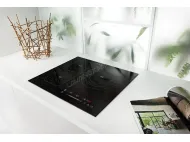
Best Built In Induction Cooktops for Open Kitchens
Jul. 01, 2026
How Built In Induction Cooktops Reduce Cooking Time
Jul. 02, 2026
Do induction cooktops save energy?
Sep. 29, 2025
Commercial Applications of Built In Induction Cooktops
Jun. 19, 2026
Can induction cooktops replace gas stoves completely?
Nov. 06, 2025
Best Energy Saving Built In Induction Cooktops
Jun. 24, 2026
Built In Induction Cooktops for Modern Apartments
Jul. 06, 2026
Related Products
Request a Quote
Request a Quote
Navigation
Navigation
Products
Products
Contact Us
Contact Us
E-mail: aml@kastbuild.cn
Mobile: +86 178 4699 3583
Tel.: +86 178 4699 3583
WhatsApp: +8617846993583
Add.: 4th Floor, Building A, No. 50 Feiyue Road, Nantou Town, Zhongshan City, Guangdong Province.