Jul. 07, 2026
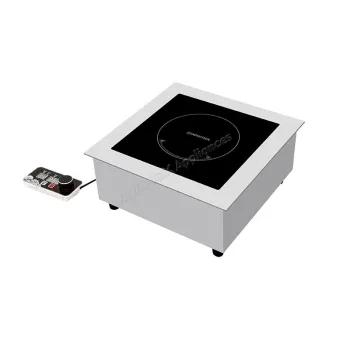
In the rapidly evolving kitchen appliance market, the demand for OEM Built In Induction Cooktops is on the rise. To help overseas buyers and distributors navigate this competitive landscape, this guide outlines the essential steps and considerations involved in manufacturing these appliances. Understanding the intricacies of induction cooktop manufacturing can address common pain points, ensuring a smoother procurement process. From selecting reliable suppliers to mastering compliance regulations, this article serves as your comprehensive resource.
OEM (Original Equipment Manufacturer) refers to companies that produce products for other brands. In the context of built-in induction cooktops, an OEM typically designs and manufactures the product to meet specific client requirements. Let’s delve deeper into key factors affecting the OEM process.
Before initiating production, it’s crucial to undertake thorough market research. Identifying consumer preferences, trends, and competition can guide product development. For instance, studies indicate that energy efficiency and smart technology integration are significant purchasing factors.
The choice of suppliers largely impacts product quality. Collaborate with reputable component manufacturers who can provide high-quality materials. Evaluate suppliers based on their production capabilities, certifications, and delivery times.
The design phase is vital for creating functional and aesthetic cooktops. Here are additional considerations during this stage:
Creating a prototype allows for testing design features before mass production. This step can help identify potential issues and ensure the final product meets specifications.
Prioritize user-friendly designs, incorporating intuitive controls and various cooking functions. Accessibility features can widen your customer base.
Ensuring that your cooktops meet international safety and efficiency standards is critical. Here’s what to consider:
Familiarize yourself with safety regulations like CE, UL, and CSA certifications. Compliance with these standards is crucial for market entry.
Eco-friendly manufacturing processes can enhance brand perception. Consider pursuing certifications such as ENERGY STAR to appeal to environmentally conscious consumers.
The following flowchart provides a structured overview of the manufacturing process for OEM built-in induction cooktops:
| Stage | Description |
|---|---|
| 1. Market Research | Conduct surveys and analyze competitor products. |
| 2. Design and Prototyping | Create and test prototype models. |
| 3. Supplier Selection | Choose quality components from trustworthy suppliers. |
| 4. Compliance Check | Ensure products meet required safety standards. |
| 5. Production | Commence mass manufacturing of the cooktops. |
| 6. Quality Control | Perform rigorous testing to ensure product quality. |
| 7. Marketing and Distribution | Launch the product with targeted marketing strategies. |
When manufacturing built-in induction cooktops, several features should be prioritized:
With a growing focus on energy conservation, ensure your cooktops have high energy efficiency ratings.
Integrate features like child locks, automatic shut-off systems, and overheat protection to enhance consumer confidence.
Setting the right pricing strategy is essential for market competitiveness. Consider the following:
Conduct a thorough cost-benefit analysis to justify pricing decisions, ensuring all costs are covered while maintaining profitability.
Monitor competitor pricing strategies to remain competitive, adjusting as necessary to capture market share.
Effective marketing and distribution can significantly impact sales success. Here’s how:
Leverage e-commerce platforms and social media to broaden your audience reach, showcasing product features and benefits.
Build partnerships with reliable distributors to ensure effective product reach in target markets.
Staying ahead requires adaptation to emerging trends. Consider these:
With the rise of smart home technology, integrating IoT capabilities into cooktops can attract tech-savvy consumers.
Focus on sustainable practices and materials that resonate with eco-conscious buyers, ensuring long-term viability in the market.
Understanding the complexities of OEM built-in induction cooktop manufacturing is essential for successfully entering this booming market. This guide provides a structured approach to navigate through market dynamics, manufacturing processes, compliance requirements, and marketing strategies. By applying these insights, overseas buyers and distributors can effectively meet consumer needs while establishing themselves as leaders in the industry.
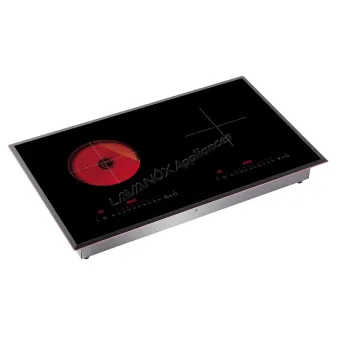
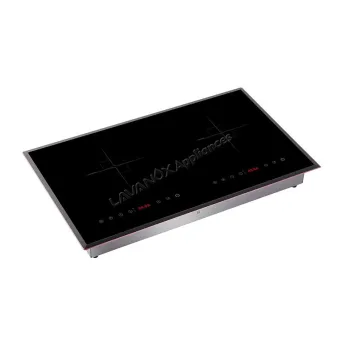
 Lavanox Induction Cooktop" />
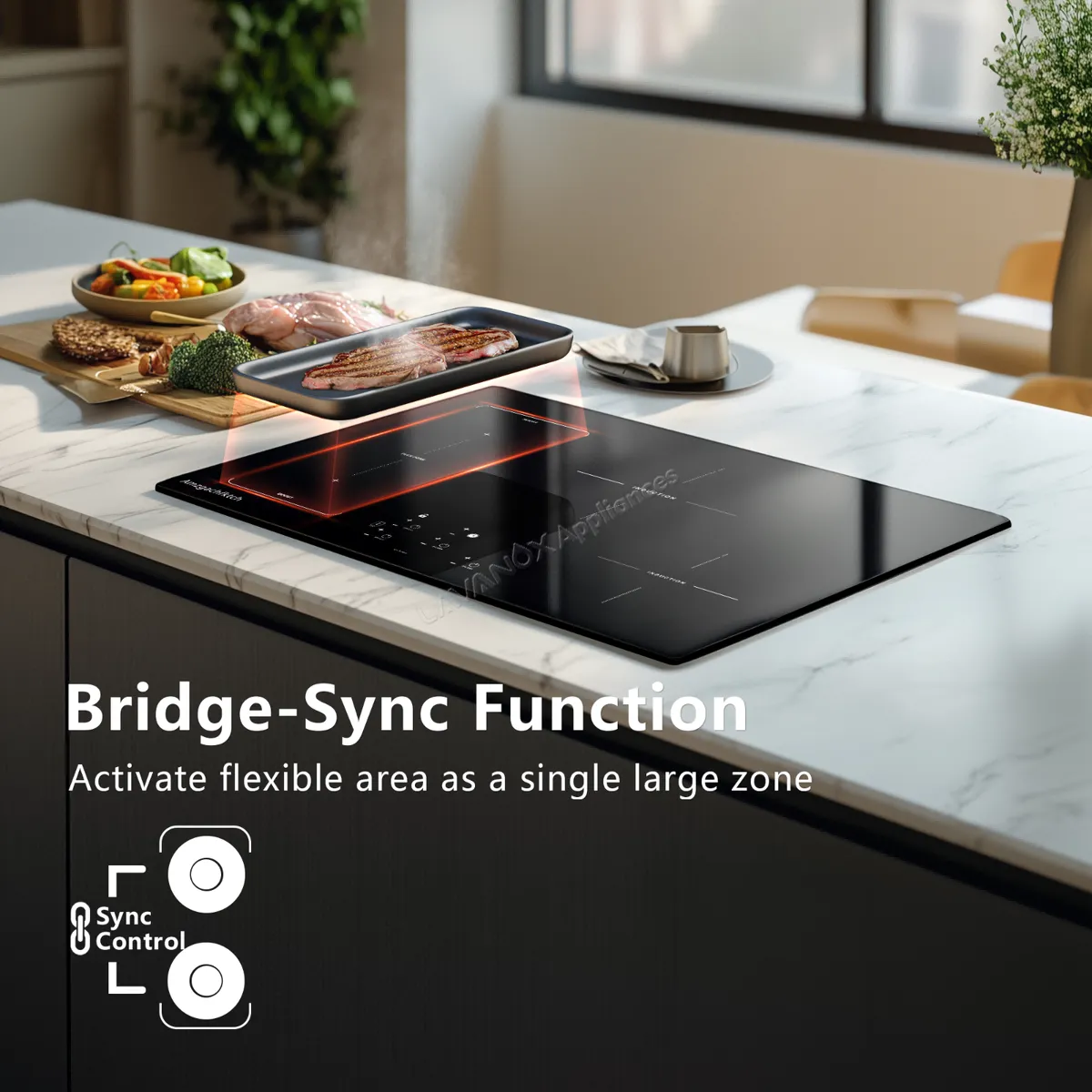
For more information on high-quality induction cooktops, feel free to reach out to Lavanox, your trusted partner in OEM manufacturing.
A: When selecting suppliers, prioritize reputable component manufacturers who offer high-quality materials, possess necessary certifications, and demonstrate reliable delivery times to ensure product quality and timely production.
A: Familiarize yourself with safety regulations such as CE, UL, and CSA certifications, and consider pursuing environmental certifications like ENERGY STAR to appeal to eco-conscious consumers.
A: Focus on energy efficiency, advanced safety features like child locks and automatic shut-off systems, and user-friendly designs with intuitive controls to enhance consumer satisfaction.
A: Leverage e-commerce platforms and social media to showcase product features, and establish partnerships with reliable distributors to ensure effective market penetration.
A: Integrate smart kitchen technology and IoT capabilities to attract tech-savvy consumers, and adopt sustainable manufacturing practices to appeal to environmentally conscious buyers.
Related News
What are the disadvantages of electric ceramic cooktops?
Mar. 09, 2026
What are the advantages of a built-in induction cooktop?
Dec. 01, 2025
How Safe Are Built In Induction Cooktops?
Jun. 17, 2026
Are built-in induction cooktops safe for families?
Dec. 12, 2025
How do I install a 4 burner induction cooktop?
Mar. 27, 2026
Why Built In Induction Cooktops Are Popular in Europe
Jun. 05, 2026
Related Products
Request a Quote
Request a Quote
Navigation
Navigation
Products
Products
Contact Us
Contact Us
E-mail: aml@kastbuild.cn
Mobile: +86 178 4699 3583
Tel.: +86 178 4699 3583
WhatsApp: +8617846993583
Add.: 4th Floor, Building A, No. 50 Feiyue Road, Nantou Town, Zhongshan City, Guangdong Province.